November 4, 2026
Outdoor spaces are becoming increasingly important extensions of residential properties, with homeowners looking for ways to combine attractive designs with practical functionality. Patios, walkways, driveways, and garden features can transform underused areas into comfortable spaces for relaxation and entertainment. In 2026, sustainable landscaping is also influencing how these outdoor environments are planned and constructed. Property owners are paying closer attention to materials that support responsible water management, long-term durability, and reduced environmental impact. Permeable pavers are among the solutions receiving attention because they allow rainwater to pass through specially designed joints and into the underlying ground. This approach offers an alternative to conventional solid surfaces that can contribute to water runoff. A well-planned hardscaping service can help property owners incorporate these features while maintaining a cohesive outdoor appearance. As environmental considerations continue to influence landscape design, choosing appropriate materials and installation methods is becoming an important part of creating functional outdoor spaces.
Understanding the Growing Demand for Sustainable Hardscaping
Sustainability has become an important consideration in residential and commercial landscape improvements. Property owners increasingly want outdoor environments that look appealing while addressing practical concerns such as drainage, maintenance, and material longevity. According to Businesswire.com, demand for hardscaping products in the United States is projected to grow by 3% annually, reaching $5.1 billion by 2028. This forecast reflects continued interest in outdoor living spaces and improvements that make properties more functional. Homeowners are also exploring materials that complement natural surroundings without sacrificing structural performance. Permeable pavers, natural stone, and other durable surfaces offer opportunities to create attractive outdoor environments with different environmental benefits. A carefully planned hardscaping service can help bring these considerations together through thoughtful material selection and layout planning. As these preferences continue to develop, sustainable design is expected to remain an important influence on outdoor improvement projects.
Improving Water Management Through Permeable Pavers
Traditional concrete and asphalt surfaces can prevent rainwater from naturally entering the ground. When rainfall collects on these impermeable surfaces, it may flow toward streets, drainage systems, and other surrounding areas. Permeable pavers provide an alternative by allowing water to move through the spaces between individual paving units. These openings are typically filled with specially selected aggregate that permits water to filter into a prepared base beneath the surface. The underlying layers help temporarily hold and distribute water before it gradually enters the surrounding soil. This design can reduce surface runoff when the system is appropriately engineered for the property's conditions. Homeowners considering a hardscaping service may find permeable installations particularly useful for walkways, patios, and selected driveway applications. However, proper grading, soil evaluation, and base preparation are essential for achieving the intended drainage performance.
Creating Attractive Outdoor Spaces With Sustainable Materials
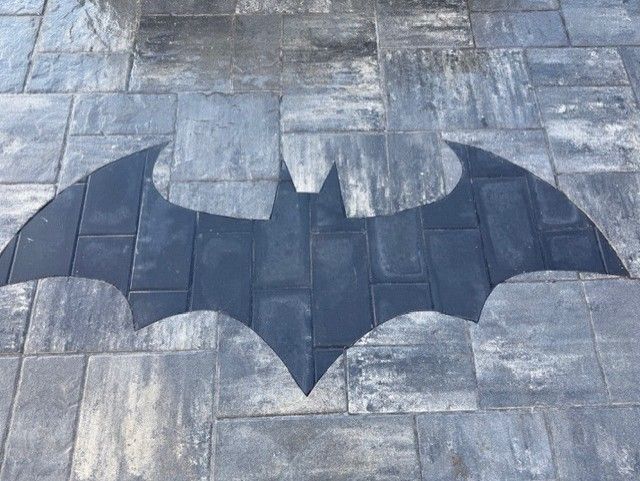
Environmental considerations do not mean homeowners must sacrifice visual appeal when improving their outdoor spaces. Modern paving products are available in numerous colors, shapes, sizes, and textures that accommodate different architectural styles. Permeable pavers can create organized patterns while providing a practical surface for outdoor activities. Natural stone is another option for property owners interested in incorporating organic textures and distinctive finishes into their landscape designs. Combining different materials can also create visual separation between patios, seating areas, garden pathways, and entertainment spaces. For example, contrasting paver colors can establish borders, while larger paving units can provide a clean appearance across expansive outdoor areas. A professional hardscaping service can help coordinate these materials so that each feature complements the surrounding landscape. The result can be an outdoor environment that balances sustainability, visual consistency, and everyday usability.
Expanding Outdoor Living With Functional Hardscape Features
Outdoor living continues to influence how homeowners approach property improvements. Rather than treating patios and yards as separate areas, many property owners are interested in creating connected spaces that support multiple activities. A well-designed patio can provide room for outdoor dining, while nearby walkways improve access to gardens and recreational areas. Retaining walls can introduce different elevations, establish boundaries, and provide additional opportunities for planting. Seating walls and designated gathering areas can also make larger landscapes feel more organized and inviting. These features work best when their placement accounts for movement, available space, drainage, and the property's existing layout. A hardscaping service can help coordinate individual elements into a design that supports the intended uses of the outdoor environment. Incorporating permeable surfaces into these plans can further support responsible water management without limiting the range of available design possibilities.
Selecting Durable Materials for Long-Term Performance
Material selection is an important part of creating outdoor improvements that remain functional over time. Different paving materials offer varying levels of durability, maintenance requirements, and resistance to environmental conditions. Concrete pavers are popular because they are available in numerous styles and can be arranged into patterns that complement different properties. Natural stone offers distinctive variations in color and texture, making it suitable for homeowners seeking a more organic appearance. Porcelain paving products may also be considered for certain outdoor applications because of their design versatility and surface characteristics. However, the most appropriate material depends on factors such as expected foot traffic, vehicle use, climate, and installation requirements. When planning a hardscaping service, property owners should also consider the quality of the base materials and the preparation needed to support the finished surface. Investing in suitable products and proper installation can help minimize premature wear and reduce the likelihood of avoidable repairs.
Planning Sustainable Hardscaping Projects for 2026
Successful outdoor improvements begin with understanding the property's existing conditions and the homeowner's long-term objectives. Factors such as soil composition, drainage patterns, available space, and the placement of existing structures can influence the design process. For permeable paving projects, evaluating how quickly the soil absorbs water is particularly important. Properties with challenging drainage conditions may require additional planning to ensure that water has an appropriate place to collect or discharge. Homeowners should also consider how different outdoor features will work together rather than selecting materials and installations independently. Establishing a realistic project scope helps determine which improvements should receive priority and how individual elements can be incorporated over time. Working with an experienced hardscaping service can make it easier to evaluate these considerations before construction begins. Careful planning supports a more cohesive finished landscape while helping property owners make informed decisions about materials, functionality, and ongoing maintenance.
Property owners should also consider seasonal maintenance when selecting sustainable paving solutions. Periodically removing debris from permeable joints helps preserve water flow, while inspecting surrounding surfaces can identify early signs of shifting or wear. These simple steps support long-term performance. As sustainable landscaping continues to influence outdoor design, permeable pavers and other durable materials offer valuable opportunities for improving residential and commercial properties. These solutions can support better water management, create attractive gathering spaces, and contribute to outdoor environments designed around everyday needs. By considering drainage, material performance, and overall layout, property owners can develop landscapes that combine practical benefits with lasting visual appeal.
For property owners interested in transforming their outdoor environments, ProScapes, LLC is a company to consider when planning improvements that bring functionality and design together. Whether you are exploring new paving options, improving outdoor living areas, or considering a more sustainable landscape layout, professional planning can help guide your next steps. Contact us to discuss your outdoor improvement goals and explore the possibilities for your property.