November 9, 2026
A well-designed yard combines practical features with natural elements to create an outdoor environment that looks inviting and serves everyday needs. Stone patios, retaining walls, walkways, and decorative borders provide structure, while trees, shrubs, flowers, and lawn areas introduce color and texture. When these elements work together, they can transform an ordinary property into a comfortable and functional outdoor space.
Creating a balanced yard involves considering layout, drainage, sunlight, and intended use. A professional hardscaping company can coordinate stone features and greenery while accounting for New Hampshire's changing seasons. Thoughtful planning helps create an attractive, functional outdoor space that withstands local weather conditions throughout the year.
Defining Outdoor Spaces With Stone Features
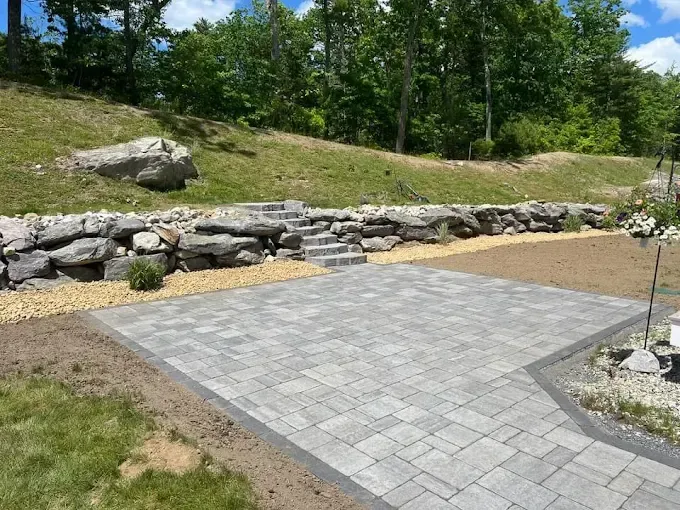
Stone features provide structure and help establish different functional areas throughout a yard. A patio, for example, can create a designated space for outdoor dining, entertaining, or relaxing. Walkways connect these areas, while retaining walls can help manage changes in elevation and create more defined landscape sections.
The placement of these features influences how people move through the property. A walkway should provide a convenient connection between important areas without making the yard feel divided. Similarly, a patio should complement the home's layout while leaving enough room for surrounding plants and lawn areas.
A hardscaping company can evaluate the property's existing conditions to determine how stone features should fit into the overall landscape. Material selection also plays an important role. Natural stone and manufactured pavers offer different colors, textures, and design possibilities, allowing homeowners to coordinate new installations with their home's exterior.
Rather than covering every available area with stone, a balanced design uses hard surfaces where they provide the most value. Leaving room for greenery helps maintain a welcoming appearance and prevents the landscape from feeling overly rigid.
Incorporating Greenery Around Hardscape Installations
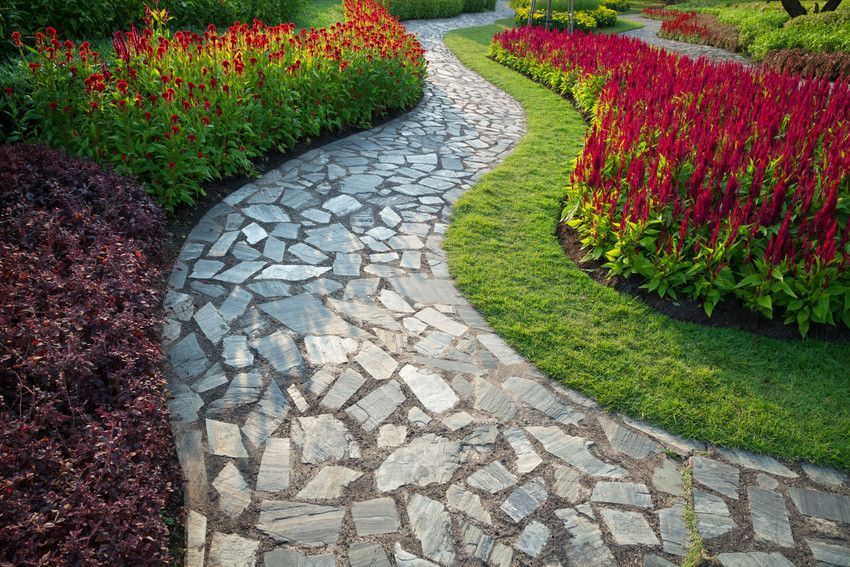
Plants soften the appearance of stone features and help connect constructed elements with the surrounding environment. Trees can provide shade near patios, shrubs can define property boundaries, and flowering plants can introduce seasonal color along walkways and retaining walls.
The key is selecting vegetation that complements the size, placement, and purpose of each installation. Large trees may create an attractive backdrop for an outdoor seating area, while smaller shrubs can provide visual separation without obstructing pathways. Groundcover and garden beds can also soften the edges of patios and other paved surfaces.
New Hampshire homeowners should consider local growing conditions when planning these areas. Sun exposure, soil characteristics, moisture levels, and winter temperatures all influence which plants are appropriate for a particular location. Native and climate-adapted species may offer practical options when selected according to the property's specific conditions.
A hardscaping company that also provides planting and landscaping services can help coordinate these elements. This approach makes it easier to create a cohesive design in which greenery and stone features complement one another rather than compete for attention.
Managing Slopes With Retaining Walls and Plantings
Sloped properties can present challenges for outdoor design, particularly when uneven ground limits usable space. Retaining walls offer a way to create defined elevations, support soil, and establish more functional areas within a landscape.
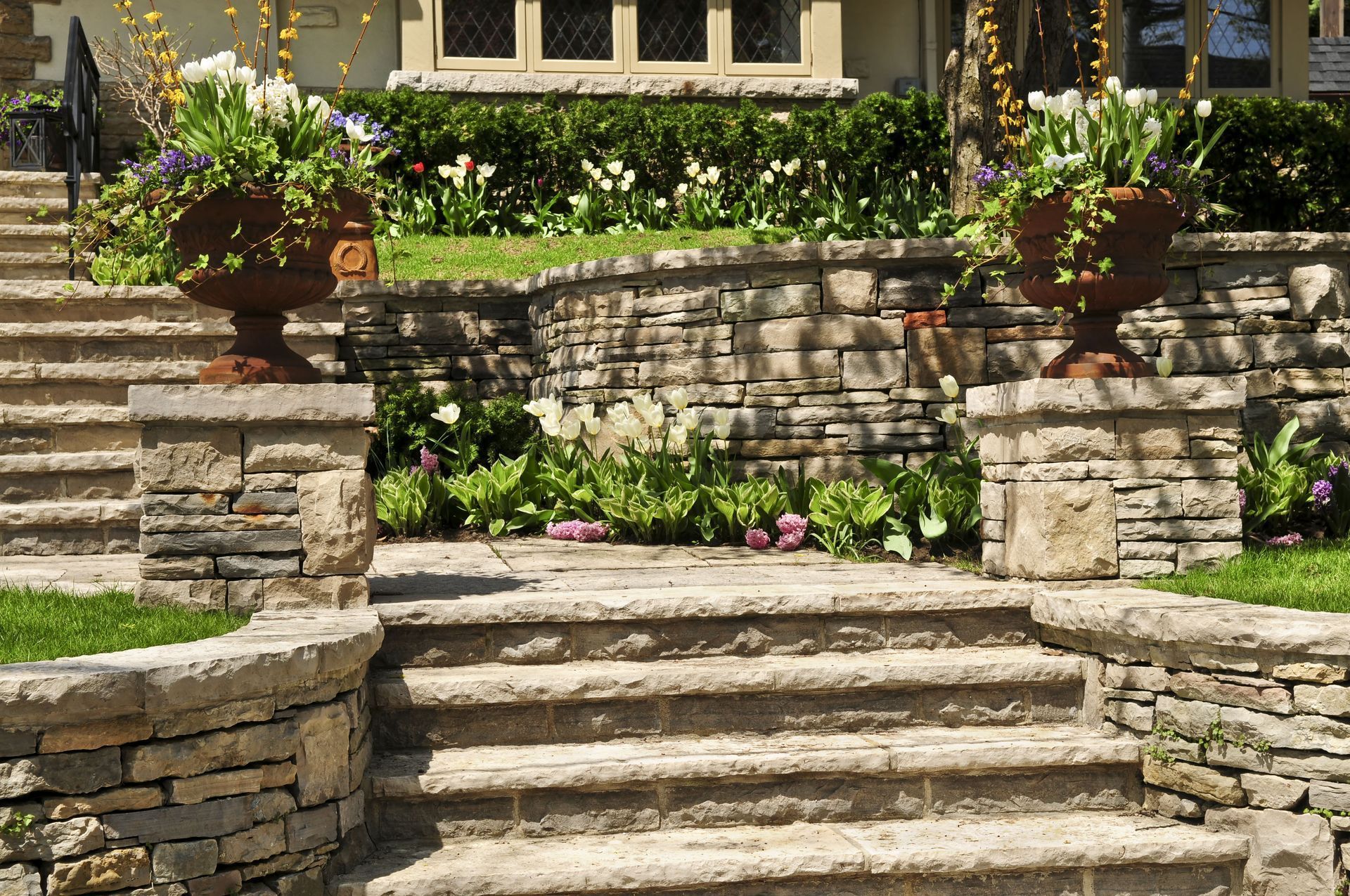
These structures can also become attractive design features when coordinated with surrounding vegetation. Plantings near retaining walls can soften their appearance and introduce color at different heights. Shrubs, ornamental grasses, and carefully selected flowers may help create visual interest while maintaining a balanced layout.
Proper planning is especially important when installing retaining walls. Soil conditions, water movement, wall height, and site grading can all influence the design and construction requirements. Drainage considerations are particularly important because excess water can place additional pressure on retaining structures.
A qualified hardscaping company can evaluate these conditions and plan an installation that accounts for the property's layout and intended use. Integrating planting areas into the design can further improve the finished appearance, making the transition between different elevations feel more natural.
Coordinating Materials With Natural Textures
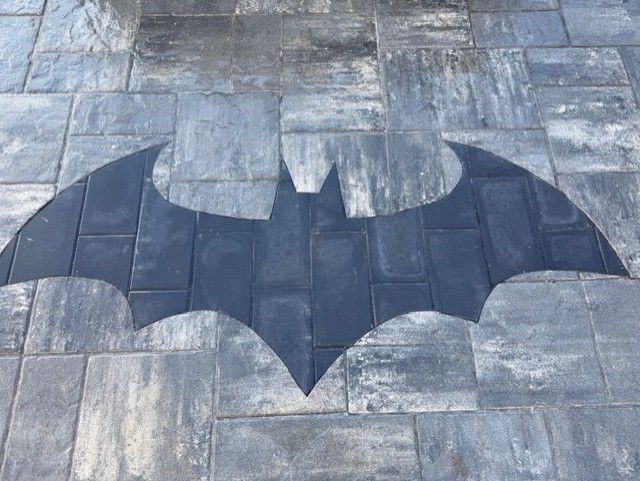
The materials used in an outdoor project influence how stone features interact with the surrounding landscape. Color, texture, shape, and pattern can either create visual continuity or introduce contrast.
For example, neutral-colored pavers may complement green lawns and colorful planting beds without overwhelming them. Natural stone can provide an organic appearance, while more uniform pavers may create a structured look that works well with contemporary home designs.
Using too many competing materials can make a yard feel disconnected. Instead, homeowners can establish a consistent palette that complements the house and existing landscape. Repeating certain materials in patios, walkways, and retaining walls can also help connect separate outdoor areas.
According to Freedonia Group, residential applications are projected to account for 57% of the total value gains in the U.S. hardscaping market through 2028. This reflects continued interest in improving residential outdoor spaces and creating areas that support everyday activities.
As homeowners invest in outdoor improvements, thoughtful material coordination can help ensure that new installations complement existing landscaping rather than appear as separate additions.
Improving Functionality With Thoughtful Layouts
A visually attractive yard should also support the way people use their outdoor space. Families may want room for outdoor dining, entertaining, gardening, or simply enjoying a quiet area outside. The layout should accommodate these activities without creating unnecessary obstacles.
Patios can establish gathering areas, while walkways improve access between entrances, gardens, and other outdoor features. Landscape lighting can further support functionality by improving visibility around paths and highlighting important design elements after dark.
Greenery also contributes to the usability of outdoor spaces. Trees may provide shade, while strategically placed shrubs can create privacy around seating areas. Planting beds can help distinguish different sections of a yard without requiring additional paved surfaces.
A professional hardscaping company can help homeowners evaluate how these features should be arranged to make the best use of available space. Planning the relationship between stone installations and landscaping from the beginning can also reduce the likelihood of design conflicts as the property develops.
Preparing Stone and Greenery for New Hampshire Weather
New Hampshire's seasonal weather makes durability an important part of outdoor planning. Freezing temperatures, snow accumulation, spring rainfall, and summer heat can affect different landscape materials in different ways.
Hardscape installations need appropriate preparation and construction methods to account for local conditions. Proper grading and drainage help direct water away from important areas, while suitable base preparation supports the stability of paved surfaces. Material selection should also account for the property's exposure to moisture and temperature changes.
Plants require similar consideration. Species should be selected according to their ability to handle local growing conditions, including winter temperatures, sunlight, and soil moisture. Plant placement matters, too. Vegetation near paved areas should be considered in relation to mature size and root development.
Fall is an ideal time to assess outdoor spaces and plan improvements before winter. A hardscaping company can help homeowners coordinate future installations, planting, and irrigation. Ongoing care, including lawn maintenance, trimming, seasonal cleanups, and attention to stone surfaces, also helps preserve the landscape's appearance and functionality. Planning ahead allows New Hampshire homeowners to prepare for spring projects while keeping existing outdoor features in good condition throughout changing seasons.
Bring your outdoor vision together with help from a hardscaping company that also offers landscaping and maintenance services. ProScapes, LLC can help coordinate patios, walkways, lawns, and garden areas to create a cohesive, functional landscape. Contact the team today to discuss your project and request a free estimate for your New Hampshire property!